

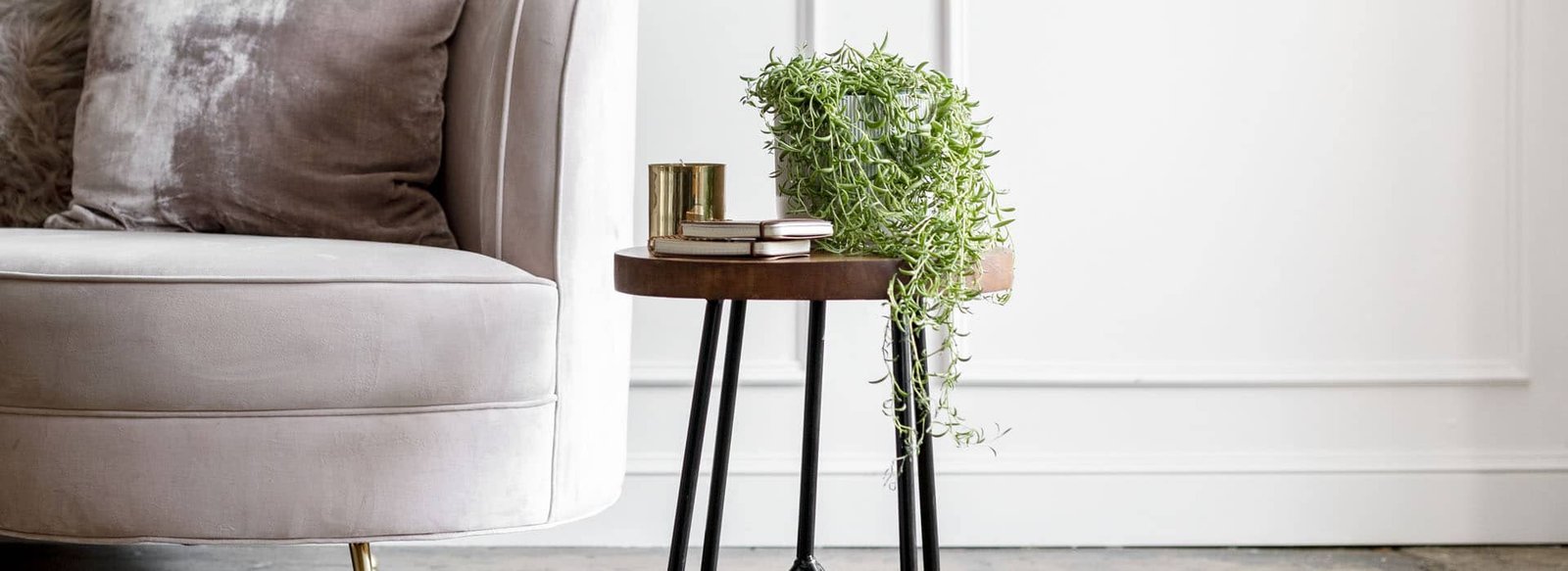

- Botanical prints and wildflowers available at wildflowergallery.co.uk enhance any home decor
- The Historical Significance of Botanical Illustration
- Choosing Botanical Prints for Your Home
- The Art of Framing and Displaying Botanical Prints
- The Connection Between Botanical Art and Wellbeing
- Exploring Contemporary Trends in Botanical Art
Botanical prints and wildflowers available at wildflowergallery.co.uk enhance any home decor
The allure of bringing the outdoors in has seen a remarkable resurgence in recent years, and botanical art plays a significant role in this trend. More and more people are seeking ways to connect with nature within their living spaces, and floral and plant-themed artwork offers a beautiful and accessible avenue for achieving that. From delicate wildflower studies to bold, vibrant depictions of exotic blooms, botanical prints can transform a room, adding a touch of serenity, sophistication, or vibrant energy. At the heart of this artistic movement lies a dedication to capturing the intricate beauty of the natural world, and sites like wildflowergallery.co.uk are becoming increasingly popular destinations for those seeking unique and exquisite pieces.
The appeal extends beyond mere aesthetics; botanical art has a rich history and a calming influence. It’s a celebration of life, growth, and the delicate balance of ecosystems. Whether you’re a seasoned art collector or simply looking to refresh your home décor, botanical prints offer a versatile and timeless option. They can complement a variety of interior styles, from rustic farmhouse to modern minimalism, and provide a focal point for conversation and appreciation. The quality and variety available at specialist galleries are expanding, making it easier than ever to find a piece that perfectly reflects your personal style and taste.
The Historical Significance of Botanical Illustration
Botanical illustration isn’t merely about creating pretty pictures of plants. It’s a discipline rooted in scientific accuracy and artistic skill. For centuries, these illustrations served as the primary method of documenting plant species, especially before the advent of photography. Early botanical artists weren’t just artists; they were scientists, meticulously recording every detail of a plant’s anatomy – its leaves, stems, flowers, and roots. These illustrations were crucial for identifying plants, understanding their medicinal properties, and classifying them within a broader botanical framework. Think of the meticulous work of Maria Sibylla Merian, who in the late 17th and early 18th centuries, travelled to Suriname to document the insects and plants of the region, creating stunningly detailed and scientifically valuable illustrations.
This historical context is important because it imbues modern botanical art with a sense of legacy and respect for the natural world. Contemporary artists often draw inspiration from these early works, while also bringing their own unique styles and perspectives to the genre. The tradition of detailed observation and accurate representation continues, but it’s often blended with more expressive and artistic approaches. This fusion of science and art is what makes botanical illustration so compelling and enduring. It's a field where precision meets creativity, resulting in images that are both informative and beautiful. Many contemporary artists are also embracing sustainable practices, using eco-friendly materials and ethically sourced pigments, further connecting their work to the natural world they depict.
| Asteraceae (Daisy Family) | Composite flowers, often with ray and disc florets. Wide distribution and diverse forms. |
| Ranunculaceae (Buttercup Family) | Typically have five petals and numerous stamens. Often found in moist habitats. |
| Lamiaceae (Mint Family) | Aromatic leaves, often square stems, and flowers arranged in whorls. |
| Poaceae (Grass Family) | Wind-pollinated flowers, hollow stems, and parallel-veined leaves. |
The careful study of plant families and their characteristics, as represented in botanical illustration, reinforces an understanding of the interconnectedness of nature and the beauty of its diversity. A piece featuring a specific plant family can act as a mini-lesson in botany, subtly educating and inspiring viewers.
Choosing Botanical Prints for Your Home
When selecting botanical prints for your home, consider the overall aesthetic you’re trying to achieve. A gallery wall featuring a variety of prints can create a vibrant and eclectic look, while a single, large-scale print can serve as a dramatic focal point. The color palette of the prints should complement the existing colors in your room. For example, muted tones of greens and browns can create a calming atmosphere in a bedroom, while brighter hues of pinks and yellows can add energy to a living room. Also, think about the style of the prints – are they realistic depictions, whimsical watercolors, or abstract interpretations? Consider the material and framing as well; a simple wooden frame can enhance a rustic aesthetic, while a sleek metal frame can complement a modern interior. Resources like wildflowergallery.co.uk offer a wide array of styles and framing options to suit different preferences.
Beyond aesthetics, think about the emotional impact you want the artwork to have. Do you want to create a sense of tranquility, joy, or inspiration? Different plants evoke different feelings. Lavender is associated with relaxation, sunflowers with happiness, and roses with love and beauty. Don’t be afraid to mix and match different styles and subjects to create a unique and personalized collection. A carefully curated selection of botanical prints can transform a house into a home, reflecting your personality and appreciation for the natural world. Ultimately, the most important thing is to choose prints that you genuinely love and that bring you joy.
- Consider the size of the wall and the scale of the furniture when selecting print sizes.
- Pay attention to the color scheme of the room and choose prints that complement it.
- Think about the mood you want to create – calming, energizing, or inspiring.
- Don’t be afraid to mix and match different styles and subjects.
- Invest in high-quality framing to protect and enhance your prints.
The placement of botanical prints can also significantly impact their effect. Hanging a print above a fireplace can create a focal point, while grouping several smaller prints together can add visual interest to a hallway or staircase. Experiment with different arrangements to find what works best for your space. Remember that the goal is to create a harmonious and inviting atmosphere, and botanical art can play a crucial role in achieving that.
The Art of Framing and Displaying Botanical Prints
Framing is arguably as important as the print itself. A well-chosen frame can elevate a simple print into a work of art, while a poorly chosen frame can detract from its beauty. Consider the style of the print when selecting a frame. For delicate watercolors, a simple white or cream matting and a thin wooden frame can be ideal. For more vibrant and graphic prints, a bolder frame in a contrasting color can make a statement. The material of the frame is also important. Wood frames offer a classic and natural look, while metal frames can add a modern touch. When choosing glass or acrylic for the frame, opt for museum-quality materials that protect the print from UV damage and moisture. This ensures that the colors remain vibrant and the print lasts for years to come.
Beyond the frame itself, consider the way you hang the print. Using archival-quality hanging hardware is essential to prevent damage to the print and the wall. Make sure the print is hung straight and at a comfortable viewing height. Consider using a picture rail system, which allows you to easily change the placement of prints without damaging the wall. Lighting is also crucial. Ensure that the print is well-lit, but avoid direct sunlight, which can cause fading. Subtle spotlights or strategically placed lamps can highlight the details and colors of the print. These seemingly small details can make a significant difference in how a botanical print is perceived and enjoyed.
- Measure the wall space to determine the appropriate size of the print and frame.
- Choose a frame that complements the style of the print and your home décor.
- Use archival-quality materials to protect the print from damage.
- Hang the print straight and at a comfortable viewing height.
- Ensure adequate lighting to highlight the details and colors.
Proper display enhances not only the aesthetic appeal but also the longevity of your investment in botanical art. Taking the time to frame and hang your prints thoughtfully shows respect for both the artwork and your own discerning taste.
The Connection Between Botanical Art and Wellbeing
There’s a growing body of evidence that suggests that exposure to nature has a positive impact on our wellbeing. Bringing elements of the natural world into our homes, through botanical art for example, can help to reduce stress, improve mood, and enhance creativity. The calming colors and organic shapes found in botanical prints can create a sense of peace and tranquility. Studies have shown that even looking at images of nature can lower blood pressure and heart rate. This is particularly important in today’s fast-paced and often stressful world, where many people spend the majority of their time indoors. Botanical art offers a simple and accessible way to reconnect with nature and reap its restorative benefits.
The act of observing botanical art can also be a form of mindfulness. Taking the time to appreciate the intricate details of a flower or leaf can help to ground us in the present moment and cultivate a sense of gratitude for the beauty of the natural world. This mindful observation can be a powerful antidote to the distractions and anxieties of modern life. By surrounding ourselves with images of nature, we can create a more harmonious and nurturing environment, fostering a sense of inner peace and wellbeing. Websites like wildflowergallery.co.uk facilitate access to these beneficial artworks, making it simpler than ever to introduce this natural element into your everyday life.
Exploring Contemporary Trends in Botanical Art
The world of botanical art is far from static; it’s a dynamic and evolving field, constantly influenced by new artistic techniques and perspectives. While traditional watercolor illustrations remain popular, contemporary artists are exploring a wide range of media and styles. We’re seeing a growing trend toward botanical prints that incorporate abstract elements, bold colors, and unconventional compositions. Digital art and mixed media are also becoming increasingly prevalent, allowing artists to create truly unique and innovative pieces. Furthermore, there's a rising interest in using botanical art to address environmental issues, with artists creating works that raise awareness about plant conservation and the importance of biodiversity. This trend reflects a growing desire to connect art with activism and use creative expression to advocate for a more sustainable future.
Many artists are also experimenting with different printing techniques, such as giclée printing, which produces high-quality reproductions with exceptional color accuracy and longevity. This allows for the creation of limited-edition prints that are highly sought after by collectors. The use of sustainable materials, such as recycled paper and eco-friendly inks, is also becoming more common, reflecting a commitment to ethical and environmentally responsible practices. This blend of artistic innovation and environmental consciousness is shaping the future of botanical art, making it even more relevant and impactful in the 21st century. The online presence of platforms like wildflowergallery.co.uk offers a window into this evolving landscape, showcasing the diversity and creativity of contemporary botanical artists.